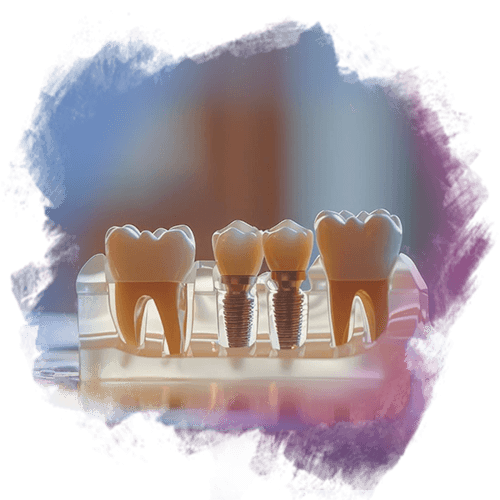
Tooth loss is not only an aesthetic issue; it directly affects the jawbone, chewing function, speech, oral health, and facial aesthetics. The two most commonly used methods for treating missing teeth are dental implants and dental bridges. While both treatments aim to restore function, they differ significantly in application method, biomechanical impact, tissue compatibility, longevity, and maintenance requirements.
In modern dentistry, treatment selection is based on bone quality, surrounding dental tissues, jaw joint balance, aesthetic needs, and long-term biological preservation. The goal is not simply to replace a missing tooth, but to achieve a natural harmony between function, aesthetics, and biological tissues.
- Plastic Surgery
- Dentistry
- Hair Transplant
- Alternative Medicine
- Bariatric Surgery
- IVF
- Cosmeti̇c Gynecology
- About Us
- Health Tourism
- Treatments
- Plastic Surgery
- Brazilian Butt Lift
- Arm Lift
- Calf Augmentation
- Gynaecomastia
- Mesotherapy
- Mini Tummy Tuck
- Mommy Makeover
- Post Bariatric Surgery
- Six Pack Surgery
- Thigh Lift
- Vaser Liposuction
- Tummy Tuck
- Breast Augmentation
- Breast Lift
- Breast Reduction
- Laser Eye Surgery
- Non-Blade Cataract Surgery With Laser Technology
- Brow Lift
- Ear Surgery
- Face Lift
- Lip Lift
- Neck Lift
- Revision Rhinoplasty
- Tip Rhinoplasty
- Rhinoplasty
- Dentistry
- Endodontic Surgery
- Impacted Teeth
- Dental Implant
- Jaw Tumor
- Jaw Cysts
- Jaw Fracture
- Sinus Lifting And Alveolar Bone Operation
- Surgery Before Prosthesis
- Temporomandibular Joint
- Removable Partial Dentures
- Porcelain Teeth Veneers
- Total Prosthesis
- Porcelain Laminate Veneers
- Aesthetic Tooth Filling
- Full Porcelain Veneer
- Teeth Whitening
- Smile Design
- Zirconium Dental Crowns
- Hair Transplant
- Alternative Medicine
- Bariatric Surgery
- IVF
- Cosmeti̇c Gynecology
- Plastic Surgery
- Certificates
- Videos
- Contact
- Blog
- KVKK